How much It Costs to launch a Mosquito Spraying Business in Canada
How much does it cost to start a mosquito spraying business in Canada?
Launching a Mosquito Control in Canada business usually takes more cash than a simple lawn care setup, but much less than a full pest control company with multiple crews. A realistic startup budget often lands between a few thousand dollars for a lean solo launch and a much higher number if you buy a truck, a commercial sprayer, extra mosquito control devices, and full insurance from day one.
The biggest early costs come from equipment cost, licensing requirement, insurance, vehicle setup, and the first round of chemicals. For a small mosquito spraying business that serves residential streets and a few light commercial accounts, your first purchases may look like this: a sprayer, PPE, a lockable chemical cabinet, labels and recordkeeping supplies, and a basic website or phone setup. Many owners also budget for a branded truck wrap because local confidence matters in vector control work.
Your actual startup costs depend on how fast you want to grow. A solo owner with a pickup and minimal office overhead may start with a lower entry point. A business that wants to win commercial account work in Ontario or Alberta may need a more formal setup, better routing software, stronger liability insurance, and a tighter service process. That is especially true if you plan to offer a Monthly pest control service with a written service contract.
Think in three layers. First, launch cost. Second, monthly overhead. Third, growth capital for marketing and hiring. That structure makes it easier to see where money goes and when you can reach break-even. In many Canadian markets, strong seasonal demand can help you recover fixed costs in one summer if your route density is good and your service area is tight.
What gear do you need to begin?
The core items for mosquito work are simple, but they need to be reliable. You need sprayers, mosquito control devices, PPE, and the right insecticide for the service method you plan to sell. A basic setup may include a backpack sprayer for smaller properties, a commercial sprayer for faster route work, and a vehicle-mounted unit for larger jobs.
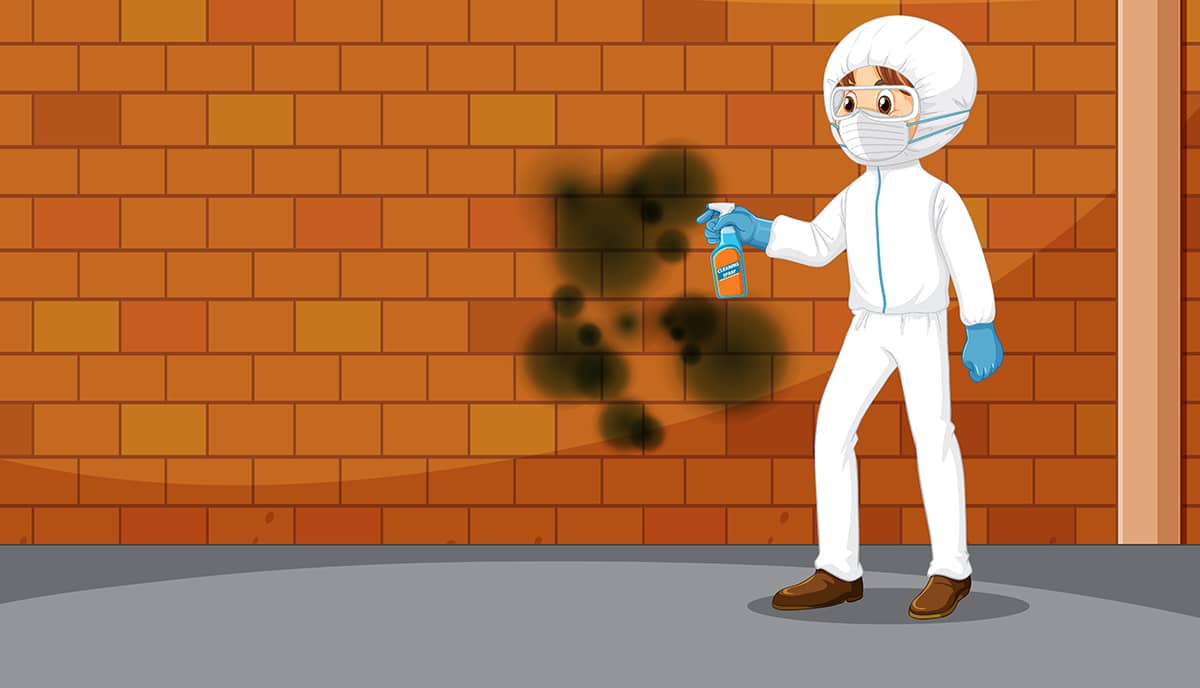
PPE matters because you are handling chemicals and working around clients, pets, and landscaping. Protective gloves, goggles, protective coveralls, respirators where required, and boots are part of the daily kit. PPE is not the place to save a few dollars. One spill or exposure event can become a costly claim.
Your equipment list often starts with:
- A backpack or handheld sprayer for detail work
- A commercial sprayer for faster coverage on larger properties
- Measuring tools for chemical mix control
- Logs, logs, and application records
- PPE such as work gloves, eye protection, and respiratory protection if the product label requires it
- Storage bins or a lockable cabinet for the insecticide
Product choice affects your chemical budget and your service model. Some owners pair barrier products with inspection work and bait or trap style add-ons. Others keep a narrow offer and focus on fast residential service. The right answer depends on your route and the kind of vector control you want to provide.
If you are serious about long routes, add GPS tracking, a tablet for route notes, and simple field software. These tools help with time https://oakville-onve417.scriblorax.com/posts/best-3-mosquito-control-in-canada-companies-2026 tracking, rebooking, and recurring visits. They also support recurring revenue because customers can see you are organized and consistent.
Which licenses, permits, and coverage do you need?
Before applying anything, check pest control licensing regulations in your province. A Pest control license is often mandatory for pesticide application, and the exact path can vary between provinces and municipalities. The rules can also change based on whether you are treating private yards, public spaces, or industrial sites.
Provincial rules set training, documentation, product handling, and who is allowed to supervise treatments. Ontario often has higher market expectations for paperwork and client communication. Alberta and prairie markets may have varied permit steps, but you still need to check the current rules before you sell your first residential treatment. Local bylaws can affect where you spray, how you inform clients, and whether extra municipal permits apply for certain sites.
protection is a must if you aim to keep operating. You need liability coverage that covers pesticide application, property damage, and personal injury claims. Certain providers also ask for proof of training, a clear SOP, and a documented safety program. The policy premium will increase if you operate in dense urban routes, take on schools or hospitality sites, or use larger equipment.
Keep paperwork clean. This includes labels on products, application logs, client consent, and any local permits. Good records help if a homeowner questions about an application, or if a city inspector needs proof that you followed the label and local rules. This is part of modern mosquito control government compliance, even if you are a small operator.
How do Canadian market prices compare?
New owners often study major brands before setting their own rates. Orkin Canada cost and Orkin prices vary by service type, property size, and region, but Orkin is a useful benchmark because buyers already trust the name Orkin pest control. If Orkin quotes a higher price, that usually reflects brand trust, route structure, and bundled service expectations.
Weedman mosquito control is one more reference point, especially for homeowners who already buy lawn care or seasonal services. Weedman often sells through recurring visits and bundled landscape work, which can shape customer expectations around a monthly fee and a pricing model tied to season length.
Mosquito Hero cost is also worth watching because local consumers compare fast. Search interest around Mosquito Hero reviews and even a Mosquito Hero phone number shows how quickly customers look for response time and price. For your business, that means your quote has to feel local, fast, and easy to understand.
If you search Mosquito control near me, you will see how crowded the market can be in some cities. That local search behavior pushes owners to compete on speed, explanation, and visible proof. It also means your site copy, call handling, and estimate process should match the market you serve. A homeowner in suburban Toronto may accept a different rate than a rural customer outside Saskatoon.
Use competitor prices as anchors, not as your final number. Your costs depend on route length, product choice, staffing, and the size of your service area. A lower price can still work if you have strong route density and simple labor. A premium price can work if you sell inspections, reports, and scheduled follow-ups.
What are the biggest the key operating costs every month?
Once your business starts, the main operating expense items are predictable. Fuel matters because mosquito work often means quick drives between many homes. Labor can be the largest cost if you hire even one technician. Chemical refills rise and fall with job volume and treatment type. Vehicle costs include maintenance, tires, insurance, and repairs.
These costs rise and fall with seasonal demand. In much of Canada, mosquito season usually runs from late spring through early fall. That gives you a short window to fill the schedule and cover the slow months. Warm summers in Ontario and Alberta can create busy booking stretches, especially after rain.
Other monthly costs can include phone service, software, marketing, accounting, storage, and payment processing. If you run ads for Mosquito control near me, customer leads may come in fast, but customer acquisition can become costly if you do not track it closely. A good owner watches cost per lead, close rate, and repeat bookings.
Watch route design. A tight route lowers fuel and labor cost. A scattered book of one-off jobs can kill margin. This is why many owners focus on one city or a few nearby neighborhoods before expanding.
How much should you charge customers?
Your pricing model should fit your market and your costs. Some businesses bill per treatment, while others sell a Monthly pest control service or a seasonal program with set service dates. A monthly plan works well when customers want consistent service and you want repeat income.
Queries for Pest control cost Ontario suggest that homeowners already anticipate regional differences. A standalone home in the GTA may support a higher rate than a similar home in a smaller Ontario town. Your quote should account for travel time, property size, treatment frequency, and whether you provide follow-up visits.
For most mosquito companies, pricing is built around the yard, not only the spray. Compact residential yards may support a smaller entry rate, while larger properties, waterfront homes, and commercial patios support higher prices. Event work can also carry a premium because timing matters.
Fair pricing begins with your numbers. Count in labor, fuel, chemical cost, insurance, and overhead, then include your target gross margin. If you do not cover those pieces, sales will not fix the problem. A clear quote also helps close clients who are comparing local ads and searching Mosquito control near me.
What shifts rates by province or city?
Geography changes everything. Mosquito control Edmonton can look different from service in Hamilton, Halifax, or a smaller Prairie town. In Edmonton, busy summer spikes and standing water after rain can raise call volume fast. That raises route pressure, fuel use, and staffing needs.
Ontario often allows stronger pricing in dense suburbs because route density can be high and customers are used to paying for seasonal outdoor services. Alberta can deliver strong summer demand too, especially when warm, wet weather creates a rush. In some Atlantic markets, lower density can raise travel time, even if labor rates are lower. That is why regional pricing matters more than a national average.
Local competition also shifts rates. A city with several established brands can push you into sharper quotes. A smaller town may give you room to charge more if you are the only specialized mosquito provider. Your service area size, local wage rates, and permit burden all affect the final number.
Look at routes first, not just residents. A compact suburban loop with ten homes is easier to price than a spread-out rural book with the same number of stops. Route structure changes margin faster than almost any other factor.
Which local mosquito conditions shape demand in Canada?
Mosquitoes in Canada remain a normal part of outdoor life, but demand rises sharply when weather turns warm and wet. A Canada mosquito swarm after a rain cycle can turn a quiet week into a full schedule. That is why owners watch the Mosquito map Canada style of local reporting and public complaint patterns before booking staffing.
Mosquito season Canada often runs through late spring, summer, and early fall. The demand window is longer in warmer provinces like Ontario and Alberta, and shorter where cool weather returns quickly. For a business owner, this means marketing has to start early and stay active through the main outdoor months.
Customers often ask whether their area really needs service. That question gets easier to answer when you show where infestations cluster and explain how weather drives activity. Maps, local alerts, and neighborhood reports help prospects understand why service matters in their part of Mosquito Canada.
Use local proof in your sales calls. If rain has filled ditches or backyard drainage, point out how standing water can support breeding. People do not always buy on theory. They buy when the problem is visible in their own neighborhood.
How do safety, season, and weather shape your service plan?
Mosquito work is seasonal by nature, but weather can compress or extend your schedule. Mosquitoes become more active in warmer conditions around Mosquito temperature range Celsius of roughly 10 to 30 degrees Celsius, which is one reason spring and summer bookings stack up quickly. On cooler mornings, activity may be lower, so application timing matters.
Application timing affects results and safety. Many products work best when wind is low, rain is not expected, and target areas are dry enough for proper coverage. That schedule discipline reduces waste and supports better customer outcomes.
Many people ask, Are Canadian mosquitoes dangerous? For you as an owner, the answer is that they are mostly a nuisance, but they can still carry disease risk in some contexts and can make outdoor spaces unusable. That is enough for many homeowners, restaurants, and event sites to pay for treatment.
Stay current on Mosquito control government rules, label directions, and local restrictions. If a municipality limits spraying in parks or near water, build that into your service plan. Simple safety steps help protect your crew and your brand.
Which add-ons and services can lift revenue?
A lot of new owners start with a spray service, then add work that increases the ticket size. Barrier treatment is a natural add-on because it gives clients a visible action and fits recurring visits. If you already have mosquito control devices, you can sometimes bundle them with inspections or monitoring.
Event spraying can bring strong short-term revenue. Weddings, patios, festivals, and outdoor corporate events need fast response and clean presentation. These jobs often pay better because the timing window is tight.
Property inspections are another useful add-on. A quick check for standing water, clogged drains, dense brush, and shaded breeding areas can improve results and give your team a reason to return. That supports a stronger service contract and better retention.
If you want a steadier cash flow, package treatments into seasonal plans. That changes one-off calls into recurring revenue and helps smooth out the gap between spring rush and late summer. It also helps route planning because you know where the next jobs are coming from.
How can a new owner estimate break-even?
Open with your fixed costs, then add variable costs. Fixed costs include insurance, licensing, software, phone service, and any vehicle payment. Variable costs include chemical cost, fuel cost, labor cost, and payment fees. When you know your monthly total, divide it by your average gross profit per job. That gives you an estimated break-even point.
buyer intake counts in the math. If you spend too much to win each account, the gross margin shrinks fast. A budget-friendly referral path can beat paid ads if your close rate is solid. A community-based campaign can also improve route density, which lowers fuel and labor cost.
For example, if you sell a seasonal package to 10 homes on one street and then to 10 homes across three suburbs, the first route will usually be cheaper to service. The revenue stays the same, different travel burden. That gap can change your profit margin by a large amount.
The strongest first-year plan is straightforward. Hold the service area small, watch every expense, and check each month by route, not just by total sales. If your recurring jobs cover fixed costs and leave room after chemicals and labor, you are heading in the right direction.

Questions & Answers
How much does monthly mosquito control cost?
For a business operator, recurring mosquito service is typically billed as a recurring service fee tied to the size of the location, treatment frequency, and local market rates. In many Canadian markets, a monthly fee can be set from staff time, fuel, product cost, and your target gross margin. Ontario routes often allow higher pricing than thin prairie or Atlantic service routes because route density and labor costs differ.
What is the best mosquito insecticide for Canada?
The best insecticide depends on your province, your label approval, and the service you sell. A product that works effectively for barrier treatment in one region may not fit a different service area or application timing rule. Always choose an insecticide that matches the pest control license requirements, the weather, and the specific job.
How much do exterminators cost in Canada?
Exterminator pricing in Canada differs by infestation, home size, and province. Mosquito work typically prices differently from indoor pest jobs because it is weather-based and planned by area. Brand names like Orkin pest control, Weedman mosquito control, and Mosquito Hero can land at different price points depending on local market and work scope.
Do I require mosquito repellent in Canada?
Absolutely, most people use repellent in Canada during the highest mosquito season, especially in late spring and summer. For business owners, that matters because customers already understand the nuisance and are more open to paying for treatment. As temperatures rise, the more active mosquitoes become.
How much does mosquito control cost per month?
Monthly mosquito control cost depends on whether you sell a single residential treatment or a recurring service contract. A monthly plan should cover your operating expense, insurance premium, and labor cost while still leaving room for profit margin. Search terms like mosquito control near me often show a range, not one fixed number. That range can help you set expectations.
What is the best mosquito repellent device in Canada?
The best device depends on the use case. For homeowners, portable traps or plug-in units may be popular. For a business, the better question is which mosquito control devices help you deliver consistent service, reduce callbacks, and support barrier treatment or inspections. Choose equipment that fit your service area and weather patterns.
How much can mosquito killer cost?
Mosquito killer products vary from low-cost consumer items to professional-grade insecticide systems. For a business, the real cost is not only the product price but also labor, fuel, and follow-up time. For that reason many owners think in terms of the full startup cost and monthly expense, not just the chemical container. Your actual spend can change fast with service volume.
What can be the average cost of mosquito control?
The average cost of mosquito control in Canada depends on location, property size, and service type. Ontario often sits higher than smaller prairie or Atlantic markets because of labor, licensing, and route structure. If you are building a new company, compare your expected costs to Orkin Canada cost, Orkin prices, Weedman mosquito control, and Mosquito Hero cost, then set your own pricing model from there. Use local quotes first before you lock in numbers.
Mosquito Man Toronto
224 King St W #2401, Toronto, ON M5J 0A6, Canada
+1 647-243-7241
https://mosquitoman.ca/pest-control/toronto/
43.6475305, -79.3873341